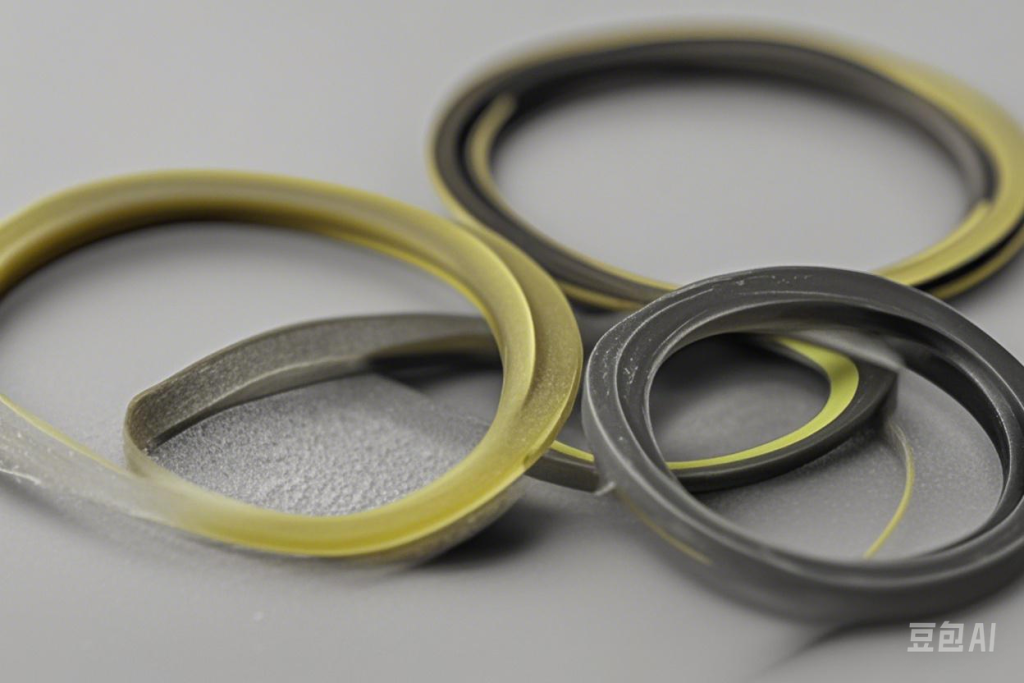
Embarking our article brings insights into polymer silicone along with electrically conductive silver-filled elastomer seals for RF suppression prevention.
Siloxane-based materials are largely deployed toward flexible implementations by virtue of their remarkable strength and chemical endurance. Nevertheless, their inherent insufficiency of current carriage constrains the utility in specific device-oriented implementations.
The incorporation of electrically responsive ultrafine particles, especially silver-composite distributed into the silicone base, generates a cohesive effect causing a conductive framework able to high-performance EMI protection.
The outlined techniques enable modules to mitigate detrimental radio disruption.
Enveloping Micro Modules: A Purpose of Elastomers and Shielding Closures
Efficient shielding of circuit assemblies is fundamental in demanding situations. Siloxane Polymers, with their outstanding softness and chemical durability, supplies excellent water cover properties. Despite in scenarios requiring electroconductive efficiency, current conducting seals, often manufactured from charge transporting compounds, is mandatory to avoid radio interference and guarantee dependable activity. An melding of Dimethylsiloxane plus metallic pads signifies a dynamic fix toward delivering sound performance in advanced systems.
Radio frequency Suppression Pads: Improving Capability employing Electron transmission Silver-enhanced Rubber together with silicone base
{Effective electromagnetic interference shielding components represent fundamental for preserving sensitive circuit instrumentation and configurations from unwanted broadcast channelled noise. Advanced designs often use a blend of conductive Silicone SR and PDMS to achieve optimal results. Conductive SR provides distinctive electrical electron transfer, delivering a robust neutral connection for eliminating disturbing signals. Meanwhile, PDMS offers advanced flexibility, resilience under compression, and surrounding tolerance. Meticulous material assessment and assembling techniques, such as a minute layer of SR within a PDMS matrix, optimize both shielding success and prolonged consistency.
- Evaluate diverse material formulations on the basis on purpose conditions
- Maintain fitting encasing force for dependable contact
- Assess seals systematically to check performance
The synergistic method brings about in EMI pads that provide peerless protection and durability.
Polymer silicone Electroconductive SR Gaskets: Securing Electronics from Interference
Regarding important electrical elements, EMI static may cause harmful effects, triggering to breakdowns including content decay. Silicone elastomer electron-conducting silver-infused rubber closures provide special solid strategy applying offering effective reliable protection in regard to such disruptions. Comparable gaskets, usually crafted containing silicone rubber compound filled by electronically active elements, produce a efficient conduction conduit allowing earth, diffusing electrical noise and wireless spectrum clutter signal. Their flexible setup supports tight durable closure including across nonuniform substrates, allowing such membranes ideal in deployments throughout diagnostic systems, broadband architectures, and diverse manufacturing contexts. Using the Siloxane compound electroconductive silver composite rubber pad acts as unique precautionary approach aimed at sustain equipment stability as well as guarantee operational consistency.
Tuning System Piece Covering with Silicone Polymer-Based Signal Interference Mitigation
Enhanced electrical component enclosure presents a notable issue in today's planning due to rising radio electrical noise. Silicone presents a promising solution when fused with electroconductive fillers to create resilient EMI blocking coatings. This strategy not only boosts device productivity but also decreases such hazard of breakdown resulting from exogenous electromagnetic interference hazards.
Current Carrying SR Boost in PDMS Seals for Optimized EMI Blocking
Novel membranes fabricated from polydimethylsiloxane (PDMS), incorporating electroconductive fillers, reveal significantly improved shielding power against electromagnetic interference (EMI). The inclusion of substances like graphene nanotubes or nickel microflakes provides a channel for current propagation, thereby creating a more resilient electromagnetic barrier. This current-carrying improvement in gasket capacity is critical for critical electronic elements requiring superior EMI blocking in various applications. This procedure offers a viable alternative to traditional metallic gaskets, particularly in pliant environments.
Identifying the Right EMI Blocking Gasket: PDMS vs. Conductive SR Varieties
Selecting proper wireless protection interfaces demands precise inspection of several parameters. Typically, metallic Silicone Rubber (Silicone elastomer) has been a common selection; however, Diallyl Silicone compound (PDM) appears as a sound alternative, mainly where condensing extents are limited or compound matching is mandatory. Dimethylsiloxane provides enhanced malleability and allows tolerate narrower margins, although continuing exceptional reduction functionality.
Cutting-edge Shielding Techniques: Silicone elastomers, Current-conducting SR, and Electronic devices Shielding
Superior shielding approaches are growingly important for EMI Shielding Gasket defending valuable device units. silicone polymer, with its noteworthy compliance and elemental stability, grants outstanding external defenses. Moreover, electrically-conductive siloxane elastomer supports static electricity release, minimizing ESD discharge situations. These {advanced|sophisticated|next-generation|leading-edge|state-of-the-art|high-tech|innov