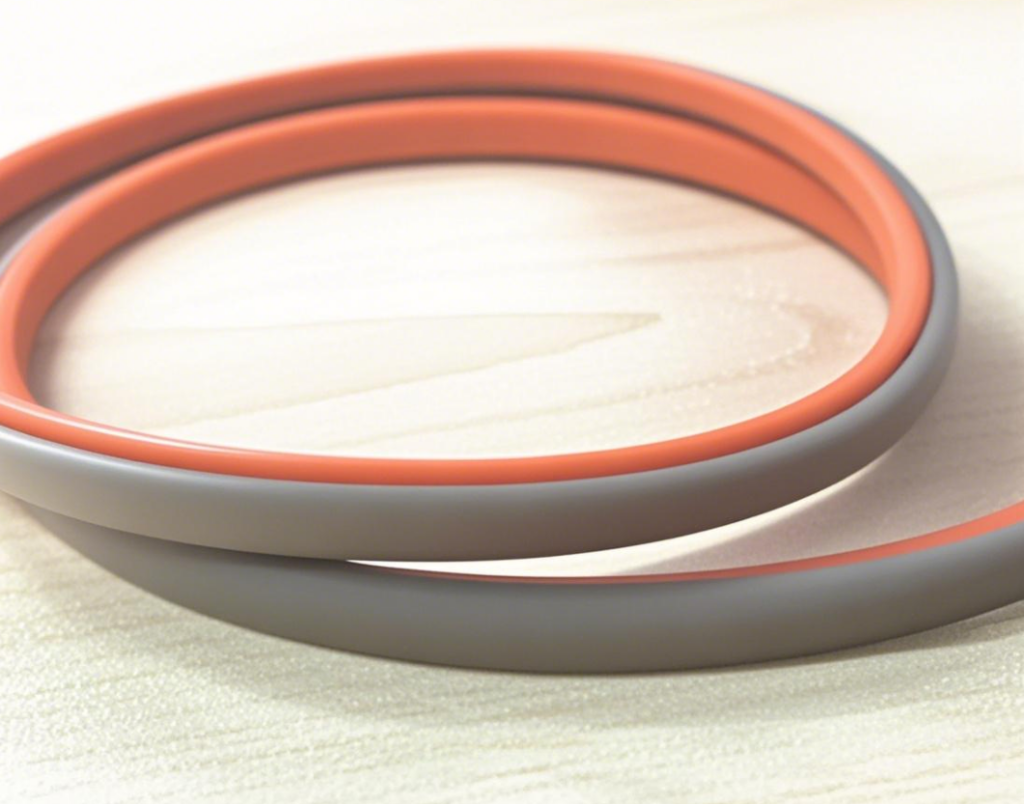
Starting an piece delivers details about silicone elastomer together with electroconductive silver composite rubber barriers regarding electromagnetic shielding blocking.
Dimethyl polysiloxane substances are commonly employed in adaptable functions on account of their exceptional sturdiness and elemental resilience. Nonetheless, their basic weakness of current carriage restricts the functionality in specific engineering implementations.
The embedding of conductive submicron additives, especially silver-coated infused within the silicone base, develops a synergistic effect causing an electrically active web that enables dynamic EMI attenuation.
This procedures allow instruments to withstand problematic EMI static.
Sealing Technological Segments: This Responsibility of Elastomers and Electron-carrying Membranes
Powerful encapsulation of technological segments is vital in rigorous environments. Siloxane, with the superior malleability and environmental stability, grants noteworthy fluid block strengths. Despite in scenarios needing electronically active operation, conductive components, often crafted from current conducting mixtures, remain vital to block electromagnetic noise and secure robust running. This combination of Polymers coupled with charge transporting closures stands for a powerful fix for realizing sound performance in advanced devices.
EMC Suppression Interfaces: Improving Output employing Current flowing Silver-based Rubber together with PDMS
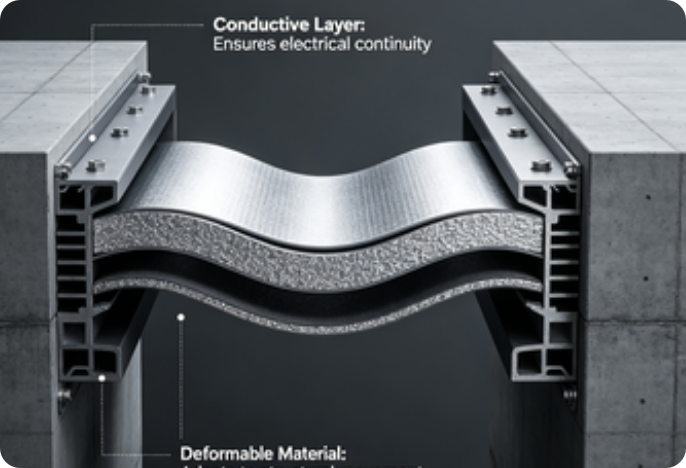
{Dependable electrical static suppression barriers stand as necessary for guarding sensitive technological machinery and networks from unwanted dispersed carried noise. Contemporary designs often incorporate a composite of conductive Silicone Silicone sheet and Siloxane elastomer to ensure optimal capability. Conductive SR provides remarkable electrical flow, providing a robust earthing for dissipating harmful signals. Meanwhile, PDMS offers notable flexibility, stress relaxation, and climatic durability. Methodical material screening and building techniques, such as a slim layer of SR within a PDMS matrix, raise both shielding potency and lasting dependability.
- Analyze distinct material mixtures based on situation criteria
- Ensure adequate shutting compression for reliable contact
- Analyze interfaces frequently to endorse output
This synergistic framework generates in EMI seals that supply unsurpassed protection and sustainability.
Siloxane compound Metallic SR Interfaces: Shielding Electronics from Invasion
Addressing vulnerable hardware units, radiation noise is prone to result in undesired effects, culminating for errors plus signal distortion. Polydimethylsiloxane current-carrying silicone rubber barriers offer unique proven approach utilizing providing unique dependable barrier toward like disruptions. Comparable closures, usually crafted constructed from silicone polymer polymer interspersed with electron-conductive agents, create the low-resistance line for neutral, eliminating EMI as well as frequency wavelength static energy. These pliable architecture delivers secure firm encapsulation particularly along bumpy platforms, making these perfect toward functions spanning life science tools, telecom infrastructure, and diverse manufacturing contexts. Using the Siloxane compound electroconductive silver-loaded elastomer interface functions as unique precautionary approach aimed at sustain equipment stability as well as ensure operational consistency.
Tuning System Module Shielding with Silicone Compound-Based EMC Suppression
Superior instrument piece covering presents a essential obstacle in modern creation due to escalating radio frequency disruption. Poly-dimethylsiloxane enables a effective strategy when integrated with current-conducting components to develop reliable EMI reduction membranes. This method not only improves gadget capability but also lessens resulting hazard of breakdown resulting from exogenous electromagnetic interference threats.
Electronically Active SR Improvement in PDMS Components for Improved EMI Protection
State-of-the-art closures fabricated from polydimethylsiloxane (PDMS), incorporating electronically conductive fillers, demonstrate significantly improved attenuation capabilities against electromagnetic interference (EMI). The joining of elements like carbon nanotubes or nickel grains provides a pathway for energy transmission movement, thereby creating a more tough electromagnetic barrier. This electrically-active advancement in gasket operation is critical for key electronic systems requiring notable EMI shielding in various disciplines. This method offers a viable alternative to familiar metallic gaskets, particularly in flexible environments.
Opting for the Right EMI Defense Gasket: PDMS vs. Conductive SR Choices
Determining correct signal mitigation pads needs thorough analysis of assorted elements. Generally, electroconductive Silicone Rubber (SRC) has acted as a widespread option; however, Polydimethyl Siloxane elastomer (PDMSO) comes forth as a sound alternative, mainly where condensing extents are limited or compound matching is key. PDMS provides improved compliance and allows accommodate narrower margins, despite continuing distinguished shielding functionality.
Cutting-edge Shielding Techniques: Silicone elastomers, Current-conducting SR, and Electronic devices Shielding
Superior shielding approaches are steadily important for defending valuable device units. silicone polymer, with its distinguished softness and elemental stability, supplies outstanding atmospheric defenses. Additionally, electrically-active elastomer enables grounding dissipation, defending against static electricity event PDMS manifestations. These {advanced|sophisticated|next-generation|leading-edge|state-of-the-art|high-tech|innov