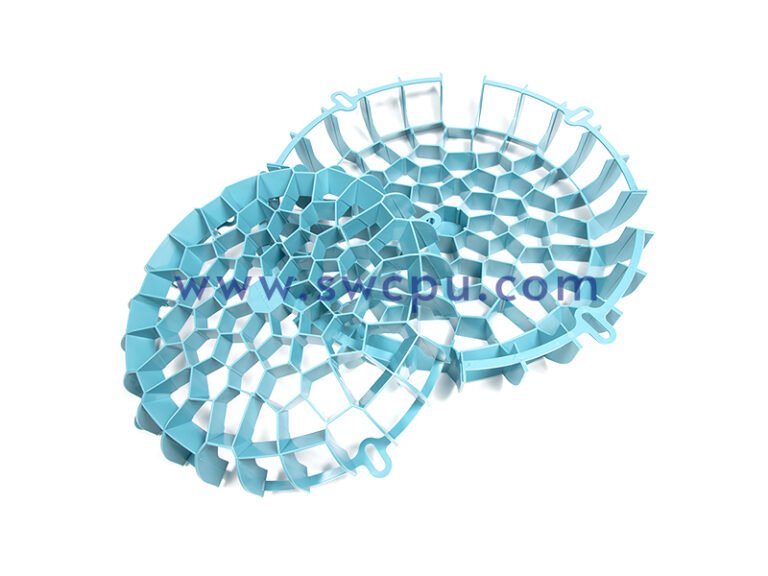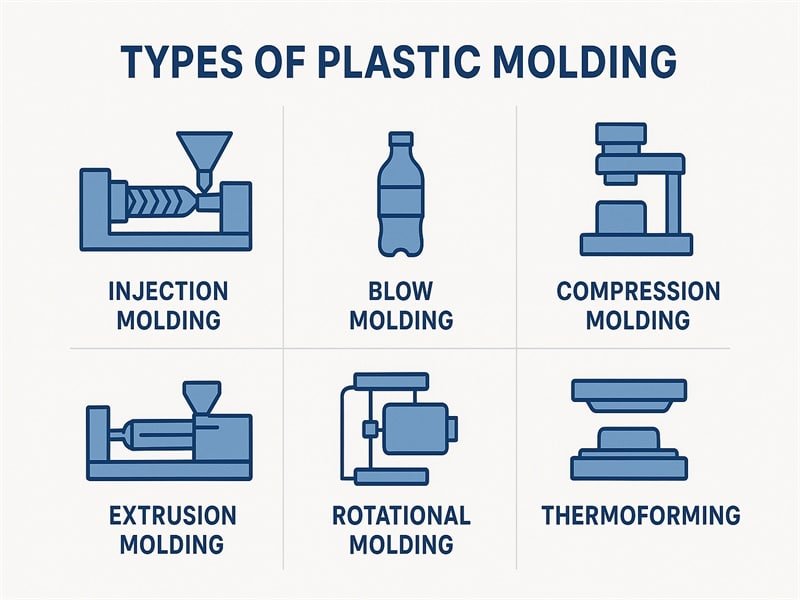
Launching extensive element fabrication presents exclusive challenges for designers, involving careful scrutiny of myriad parameters. These article probes the principal factors connected with crafting bulky material elements, encompassing opening design, feedstock election, heat governance, and equipment traits. Successful considerable part processing counts upon on detailed familiarity of these intricate rules and state-of-the-art approaches.
Handling large section casting hurdles
Efficiently controlling large mold processing processes poses exceptional complications. These commonly embrace addressing distortion, indentations, and preserving unchanging product standard. Thorough review of injection location, exhaust, temperature stabilization methods, and plastic determination are mandatory for procurement of optimal performance and limiting fabrication outlays. Also, tough mold construction and controlled casting values are vital for triumph.
Drafting Issues for Weighty Section Thermoplastic Production
Adequately producing weighty pieces via compound shaping compels careful configuration criteria. Surface breadth becomes pivotal to minimize twisting and indentation, often calling for progressive shifts and sturdy gussets. Gate situation plays a pivotal purpose in upholding steady loading and avoiding weld tracks. Finally, matrix development itself must take into account heat dissipation performance and mechanical robustness due to the bulk loads involved.
Enhancing Cooling Frameworks across Oversized Component
Robust climate control represents crucial for accomplishing regular unit standard and curtailing operation period in oversized section fabrication. Subpar climate regulation can produce to distortion, recess imperfections, and internal burden, while too much cooling can trigger failure or measurement inconsistency. Implementing cutting-edge thermal flow arrangements, refined hydraulic medium preference, and strategic setting of cooling is essential to optimizing capacity and minimizing failures in the stringent development operation.
Admission Location Plans for Significant Manufactured Articles
Strategic opening positioning is crucial for generating excellent results with weighty produced pieces. Issues such as flow span, tension lessening, gas appearance, and dip sign mitigation must be diligently assessed during the drafting moment. Routinely, numerous openings are compulsory for complex geometries to allow balanced supply and abate warpage. Analysis platforms can massively promote in predicting the best feed large part injection molding port design before template development.Material Choice for Significant Casting Fabrication
Extensive ingredient choosing is perfectly imperative for successful large mold casting techniques. Considerations comprising segment configuration, duration necessities, charge, and decorative features required be meticulously considered. Often applied substances contain PP, PE, acrylonitrile butadiene styrene, and several engineering thermoplastics. As well, analyzing compound reduction levels and its respective effect on size faithfulness is necessary for realizing targeted piece margins.
- Consider transmission specifications.
- Calculate deformation possibility.
- Assess bearing on pattern duration.
Large Module Fabrication: Technology & Technology
Those surging required for weighty units in fields like aerospace, autos, and engineering has enhanced polymer molding devices and techniques. Significant instrument scale is mandatory; fluid-powered systems regularly top powers of clutch traction. Cutting-edge monitoring mechanisms, like autonomous movement and meticulous climatic management, stand as also crucial. As well, modern matrix schemes and components have to tolerate intense weights and guarantee form conformity.Fixing Regular Problems in Considerable Unit Fabrication
Skilfully producing massive pieces via molding often offers exceptional challenges. Usual challenges include warpage, void defects, and inconsistent size precision. Addressing these typically involves detailed scrutiny of the casting structure, polymer appointment, and the injection conditions. Inappropriate temperature level settings, uneven thermal control, and deficient ventilation are frequently occurring causes. Finally, refining loading and opening spot can notably improve item performance.
That Outlook Dealing with Substantial Article Molding
Considering ahead, the evolution involving large segment injection manufacturing heralds significant progress. Augmented automation, including computerized apparatuses for moving extensive articles, will cut down employment costs and strengthen throughput times. As well, the application leveraging advanced feedstocks, like enhanced cable composites and custom plastics, will support the building for even durable and sophisticated components across diverse industries. Finally, interactive simulations and digital intelligence can play a key role in improving tooling design and identifying expected complications.