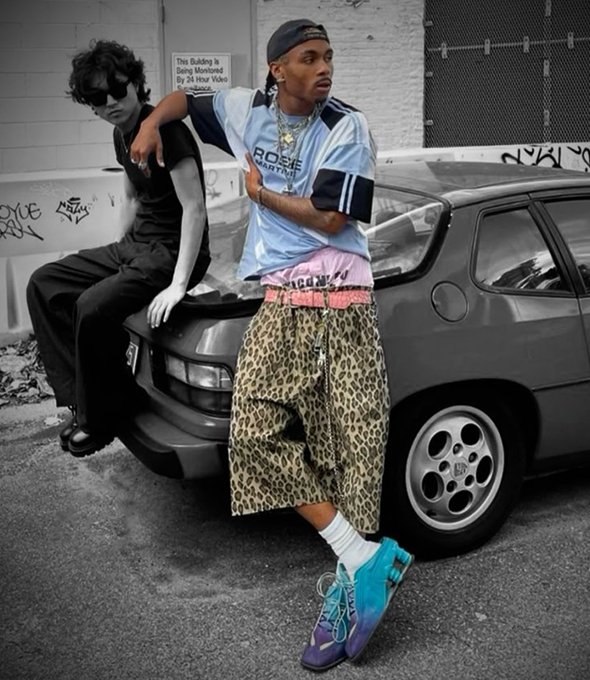
Why is China still one of the strongest regions for jacket manufacturing?
A complex varsity jacket or a heavily washed denim piece looks simple enough on a rack, but the reality of production tells a very different story. Over the past few years, there has been a noticeable industry shift as procurement teams and design teams explore moving production to other regions. Yet, when it comes to high-quality custom streetwear production, especially for complex outerwear, many find themselves returning to the exact place they tried to leave. The narrative that China is being replaced in apparel manufacturing often misses a critical reality: while basic tees and simple blanks can be made anywhere, a jacket requires an ecosystem.
For independent brands with real traction, a jacket is not just a cut-and-sew project; it is an engineering challenge. A premium streetwear jacket involves multiple layers, specialized linings, custom trims, intricate embroidery placements, and wash techniques that must remain consistent across hundreds of pieces. The difficulty is not in making one perfect sample. The real difficulty lies in sample-to-bulk alignment. This is where the depth of China's supply chain infrastructure becomes irreplaceable. It is not about finding a lower-cost alternative; it is about finding a specialized streetwear factory that understands how design ambition translates into bulk-ready execution.
When you look closely at the brands that consistently deliver flawless outerwear collections drop after drop, you will find that their sourcing strategy is built around capability, not just geography. They understand that a jacket is a high-stakes product. A poorly executed t-shirt might be forgiven as a basic layer, but a jacket is a statement piece that commands a higher price point and sets the tone for the entire brand identity. This is why the conversation around manufacturing needs to shift from "where can I find the lowest quote" to "where is the most reliable place to engineer complex garments."
Why does jacket manufacturing demand more from a factory than most apparel categories?
A jacket is structurally complex, requiring multiple specialized processes—such as pattern engineering, interlining application, custom trim sourcing, and multi-technique decoration—to happen simultaneously. Unlike basic apparel, a jacket’s fit and silhouette depend heavily on how different materials behave together, making it highly sensitive to execution errors during bulk production.
In streetwear, outerwear is often the hero piece of a collection. Whether it is a varsity jacket with heavy melton wool and genuine leather sleeves, a technical bomber jacket with custom hardware, or an acid-wash denim jacket with distressed detailing, the technical threshold is significantly higher than that of a hoodie or a t-shirt. Every element introduces a new variable. For instance, pattern development for an oversized fit is not just about scaling up standard grading; it requires adjusting the armhole drop, the shoulder slope, and the body width to ensure the garment drapes correctly without looking sloppy.
Furthermore, the integration of different materials creates shrinkage and tension challenges. If a factory does not pre-shrink the lining fabric before sewing it to a heavy outer shell, the jacket will pucker and distort after its first wash. Procurement teams must also consider the application of complex techniques like chenille embroidery, appliqué patches, or cracked prints. If the underlying fabric is not stabilized properly with the correct backing, the embroidery will cause the fabric to warp. These are not issues that can be fixed after the fact; they must be engineered out of the product during the tech pack review and sampling stages. This level of technical foresight is what separates a true streetwear clothing manufacturer from a generic apparel factory.
The structural integrity of a jacket also relies heavily on the internal components that the consumer never sees. The choice of interlining, for example, dictates how the collar stands up or how the front panels hold their shape. A manufacturer experienced in custom streetwear development knows that using the wrong weight of fusible interlining can make a premium wool jacket feel stiff and low-quality, or cause it to bubble after dry cleaning. These hidden decisions require a deep understanding of material science and garment construction, skills that take years to develop and refine on the factory floor.
What makes the China-based jacket manufacturing ecosystem so hard to replicate?
China’s advantage lies in its extreme supply chain density and cluster effect. Within a single region, a factory has immediate access to specialized fabric mills, custom hardware suppliers, wash houses, and embroidery facilities, allowing for rapid iteration, tight quality control, and seamless sample-to-bulk execution.
When brands attempt to source jackets in emerging manufacturing regions, they often encounter a fragmented supply chain. A factory might have excellent sewing capabilities, but they have to import the zippers, wait weeks for custom dyed ribbing, and send the garments to a different city for enzyme washing. Every time a component moves between disconnected facilities, the risk of delays and batch-level variation increases.
In contrast, regions like Guangdong (including hubs like Dongguan and Guangzhou) operate as integrated ecosystems. A specialized streetwear factory in this area does not operate in isolation. If a design team specifies a custom YKK zipper, a specific weight of French terry for a detachable hood, and a highly specific pigment dye finish, the manufacturer can source, test, and validate all these components within days. This proximity allows for rigorous print, wash, and embroidery testing before bulk cutting begins. For established streetwear brands managing strict seasonal drop schedules, this speed and reliability are not just convenient; they are commercial necessities. The ecosystem provides a safety net where potential trim substitutions or fabric hand-feel differences are caught and corrected before they ruin a production run.
This cluster effect also extends to the machinery and technical expertise available within the region. A specialized streetwear factory in China is more likely to have invested in advanced automated cutting machines, programmable sewing stations for precise pocket placement, and specialized pressing equipment designed specifically for outerwear. They also have access to a workforce that has spent decades assembling complex garments. When a new design trend emerges—such as the resurgence of heavily distressed Y2K-style denim jackets or intricate patchwork construction—the Chinese manufacturing ecosystem can adapt and scale production much faster than regions that are still building their foundational infrastructure.
Where do jacket production problems actually show up — and why does China handle them better?
Most critical jacket production failures do not appear during the sampling phase; they emerge during bulk cutting, sewing, and finishing. China’s experienced manufacturers excel at bulk-ready control, managing issues like lining shrinkage, zipper alignment, and wash distortion that typically ruin large production runs.
A common misconception among product development teams is that an approved pre-production sample guarantees a flawless bulk run. In reality, the sample is made by a master sample maker taking their time, while bulk production relies on an assembly line moving at speed. This is where the concept of sample-to-bulk execution becomes the defining metric of a manufacturer's capability.
Consider the alignment of a full-zip closure on a jacket with horizontal paneling or a graphic print that crosses the zipper. In a single sample, the alignment is perfect. In bulk, if the fabric tension is not managed perfectly during cutting and sewing, the panels will mismatch, rendering the entire batch unsellable. Similarly, with techniques like stone washing or vintage distressing, maintaining a consistent aesthetic across thousands of units requires precise formula control and timing at the wash house. Inexperienced factories often struggle with this, resulting in a batch where half the jackets look completely different from the approved standard.
China-based manufacturers with a history of premium streetwear production have built their systems around these specific risks. They implement strict sewing tolerances, conduct rigorous in-line inspections, and understand that consistency is the product. They know that a heavy cotton canvas behaves differently under the needle than a lightweight nylon, and they adjust their machinery and processes accordingly. This institutional knowledge is what protects a brand's investment. They do not just sew garments; they manage the variables that cause garments to fail. This proactive approach to quality control is essential for brands that cannot afford to have a major drop delayed due to a high defect rate.
How should established streetwear brands evaluate a China-based jacket manufacturer before committing to bulk?
Procurement teams must move beyond basic quote comparisons and evaluate a factory’s technical infrastructure. This includes reviewing their tech pack comprehension, their approach to pattern development, their ability to execute pre-production samples, and their strictness regarding trim approval and bulk inspection.
When streetwear brands with proven sales are looking to scale their outerwear programs, the evaluation process must be rigorous. The first test of a potential streetwear manufacturing partner is how they handle the tech pack review. A capable factory will not just accept the tech pack and quote a price; they will ask technical questions. They will point out if a requested fabric weight might cause the seams to bulk, or if a specific embroidery technique might compromise the waterproofing of a nylon shell. This proactive problem-solving is a strong indicator of OEM streetwear development capability.
The next critical phase is pattern development and the pre-production sample (PPS). Brands should demand to see how the factory handles sizing grading, especially for complex silhouettes like oversized or boxy fits. Before any bulk cutting begins, every detail must be locked down through trim approval—ensuring that the hardware, drawstrings, and labels exactly match the brand's specifications.
During this evaluation, it is often helpful to consult a recent roundup of premium to understand the landscape. Brands must verify the factory's quality control protocols. Do they perform wash testing for shrinkage and colorfastness before bulk production? Do they have a clear checklist for final inspection that covers silhouette imbalance and graphic placement? A manufacturer that embraces these strict validation steps is one that can support a brand's long-term growth.
Furthermore, procurement teams should evaluate the factory's communication protocols and project management systems. In complex jacket manufacturing, the ability to clearly communicate technical issues and propose solutions is just as important as the sewing itself. A reliable manufacturer will provide regular updates during the sampling and production phases, rather than going silent and only presenting the final product. This transparency allows brands to catch potential issues early and make informed decisions before they escalate into costly mistakes.
Is China still the right production base for premium streetwear jackets in 2026?
Yes, because premium streetwear production requires a level of execution depth, material access, and sample-to-bulk consistency that remains highly concentrated in China. For brands prioritizing complex construction and high-quality finishes, the Chinese manufacturing ecosystem provides the most reliable foundation.
As the market continues to evolve, consumer expectations for streetwear have shifted dramatically toward premiumization. Buyers may not know the technical terms for fabric weight or enzyme washing, but they immediately feel the difference in hand-feel, drape, and hardware quality. To meet these elevated standards, brands with validated market demand cannot afford the risks associated with immature supply chains.
While other regions may offer advantages for basic apparel or high-volume standard garments, the production of a complex jacket requires a specialized environment. Some , such as , focus specifically on heavyweight fabrics, complex finishing, and custom streetwear development rather than basic apparel categories. This specialization is what allows established brands to execute intricate designs without sacrificing bulk consistency.
Ultimately, the decision of where to manufacture jackets is not just a geographical choice; it is a strategic one. It is about choosing a production system that aligns with the brand's aesthetic ambition and commercial reality. The enduring strength of China's jacket manufacturing sector is not rooted in price alone, but in being the most capable of turning complex streetwear concepts into reliable, high-quality reality. For brands looking to scale without losing their identity, that infrastructure remains an invaluable asset. It provides the stability and technical expertise necessary to navigate the complexities of modern fashion production and deliver products that truly resonate with discerning consumers.
What role does material sourcing play in the success of jacket manufacturing?
The ability to source premium, consistent materials locally is a massive advantage for China-based manufacturers. When fabric, lining, hardware, and trims are all developed within the same ecosystem, the manufacturer can better control the interaction between these components during bulk production.
One of the most underestimated aspects of jacket manufacturing is the sheer number of components required. A standard hoodie might consist of body fabric, ribbing, a drawstring, and a label. A premium streetwear jacket, on the other hand, can easily require over twenty distinct components. This includes the outer shell fabric, which might need a specific water-repellent coating or a custom pigment dye; the lining, which must be breathable yet durable enough to withstand friction; the interlining, which provides structure to the collar and cuffs; and various hardware elements like custom-molded zippers, branded snaps, and reinforced eyelets.
When a brand attempts to manufacture a jacket in a region without a deep supply chain, they often face a logistical nightmare. They might have to source the shell fabric from Japan, the zippers from Italy, and the lining from Taiwan, and then ship everything to a factory in Southeast Asia. This fragmented approach not only increases lead times and shipping costs but also introduces significant quality control risks. If the shell fabric arrives with a slight color variance, or if the zippers are delayed at customs, the entire production schedule is derailed. Furthermore, if the different components do not interact well during the sewing or washing process, the factory has very little recourse, as they do not have direct relationships with the material suppliers.
In contrast, China's apparel manufacturing hubs offer a vertically integrated approach. A specialized streetwear factory can often source all necessary components within a fifty-mile radius. This local sourcing capability allows for rapid prototyping and immediate troubleshooting. If a specific weight of denim is causing issues during the distressing process, the factory can quickly consult with the local mill to adjust the fabric composition or the wash formula. This level of agility is crucial for established streetwear brands that need to maintain strict quality standards while navigating tight seasonal drop schedules. The ability to control the entire material supply chain from within a single region is a key reason why China remains the dominant force in premium jacket production.
How does factory specialization impact the final product?
Not all factories are created equal. China’s manufacturing landscape allows for hyper-specialization, meaning brands can partner with factories that focus exclusively on complex outerwear and streetwear construction, rather than general apparel producers that treat jackets as an afterthought.
In many manufacturing regions, factories operate as generalists. They might produce basic t-shirts one week, athletic wear the next, and attempt a small run of jackets if a client requests it. While this versatility might seem appealing, it is a significant liability when producing premium streetwear. Jacket manufacturing requires specialized machinery, such as heavy-duty walking foot sewing machines for thick fabrics, programmable pattern tackers for precise pocket attachment, and specialized pressing equipment to shape the final garment. A generalist factory is unlikely to invest in this expensive equipment or train their staff in the nuanced techniques required for outerwear.
China’s immense manufacturing scale has fostered a culture of hyper-specialization. Within the broader apparel industry, there are entire sub-sectors dedicated solely to outerwear. A specialized streetwear factory in China does not just make clothes; they engineer specific product categories. They understand the difference between a drop-shoulder bomber and a traditional raglan sleeve, and they know how to adjust their patterns to accommodate heavy fleece linings without compromising the external silhouette. They have dedicated teams for quality control who are trained to look for jacket-specific defects, such as uneven zipper tape tension or improper collar roll.
This specialization extends to the management level as well. A factory that focuses on premium streetwear understands the cultural and aesthetic nuances of the market. They know that a vintage wash is not just about making the garment look old; it is about achieving a specific high-low contrast that aligns with current streetwear trends. They understand that hardware is not just functional; it is a critical branding element. By partnering with a specialized manufacturer, established brands gain access to a wealth of category-specific knowledge that significantly reduces the risk of production errors and elevates the overall quality of the final product.
Why is long-term partnership more critical in jacket production than other categories?
Because of the technical complexity and high stakes involved in jacket manufacturing, building a long-term relationship with a reliable production partner is essential. A trusted manufacturer becomes an extension of the brand’s product development team, anticipating issues and refining processes over multiple seasons.
In the fast-paced world of streetwear, it can be tempting for brands to constantly chase the lowest quote, jumping from factory to factory in search of better margins. However, this approach is disastrous when applied to complex outerwear. Every time a brand switches manufacturers, they lose the institutional knowledge that the previous factory had built up. The new factory has to learn the brand's specific fit preferences, their quality standards, and their preferred construction techniques from scratch. This learning curve inevitably leads to delays, sample rejections, and bulk production errors.
For independent brands with real traction, a long-term manufacturing partnership is a strategic asset. When a brand works with the same specialized streetwear factory over multiple seasons, the factory begins to anticipate the brand's needs. They understand how the brand's oversized fit block should be graded across different materials. They know which wash houses consistently deliver the brand's preferred level of distressing. They can proactively suggest alternative trims or construction methods that might improve the garment's durability or reduce production costs without sacrificing quality.
This collaborative approach is particularly valuable during the product development phase. Instead of simply executing a tech pack, a long-term partner acts as a technical advisor. They can identify potential manufacturing bottlenecks early in the design process, allowing the brand to make necessary adjustments before sampling begins. This level of synergy is difficult to achieve in regions with high factory turnover or fragmented supply chains. China's established manufacturing ecosystem, with its emphasis on long-term relationships and continuous improvement, provides the ideal environment for brands to build these strategic partnerships and scale their outerwear programs with confidence.
Why Do Oversized Streetwear T-Shirts Lose Shape After Washing? What Bulk Production Often Misses
Streetwear brands already know the problem. A tee can look right in the line sheet, land well in the sample fitting, and still come back wrong once the bulk wash test is done. The body gets shorter. The collar starts waving. The shoulder line drops too hard. What was supposed to feel like a clean oversized silhouette suddenly reads sloppy, thin, or off-balance. In a market where clothing still holds the biggest share of streetwear demand, that kind of product miss is not small. It hits how the collection is seen, worn, photographed, and reordered.
That is exactly why this topic matters more now. Streetwear buyers still respond to quality, design, and authenticity more than surface-level marketing, and tops like T-shirts and hoodies face heavy competition inside the category. When product quality and design sit that high in the decision stack, oversized tees cannot just look good on first delivery. They need to hold their shape in real life, after wash, after wear, and across bulk production. At the same time, fashion sourcing teams are operating in a climate of tighter margins, delivery pressure, and more serious manufacturer evaluation, which means bulk-ready development matters even more than before.
“The way a fabric is knitted or woven also plays a role. Loosely knitted fabrics have more open spaces and loops, making them more susceptible to shrinkage.” — Swinburne / The Conversation
Why are oversized streetwear T-shirts more vulnerable after washing?
Oversized streetwear T-shirts are more vulnerable after washing because their silhouette depends on proportion, drape, and recovery rather than simple chest width. When moisture, agitation, and heat relax the fabric structure, even a small change in body length, collar tension, or shoulder balance can visibly change the entire look.
A regular tee can survive a little movement in the fabric and still look acceptable. An oversized streetwear tee usually cannot. That is because the product is carrying more visual information. The shoulder drop, sleeve volume, neck opening, hem hang, fabric weight, and body width all work together.
Once one part moves too far, the whole silhouette starts speaking a different language.
This is also why many brand teams find out too late that “oversized” was never the real technical question. The real question was whether the fabric and pattern were built for an oversized result after wash, not just before wash. Cotton fibers naturally try to relax back toward a less stretched state when they are exposed to moisture, heat, and mechanical action. Technical testing sources also note that dimensional stability after washing is one of the key indicators behind garment shape and appearance, especially in knitted products where the fabric has more room to move.
In streetwear, that movement shows up fast. A faded 260gsm jersey tee with a dropped shoulder can lose its clean line if the body shortens more than expected. A boxier cut can turn squat. A roomy neck can start looking loose instead of intentional. A heavy rib collar can stay stable while the body torque shifts, making the whole garment feel twisted. The problem is not only shrinkage. It is shape distortion inside a silhouette-driven product category.
What usually goes wrong before bulk production even starts?
Most oversized tee problems do not begin in the laundry room. They begin much earlier, when brands approve a sample without fully testing how the jersey, rib, pattern, and wash plan behave together under bulk conditions. If pre-production decisions are too light, the silhouette can fall apart later.
On paper, an oversized streetwear T-shirt can look simple. In production, it is not simple at all. The product usually passes through tech pack review, pattern development, fabric and trim sourcing, lab dips or wash references, sampling, fit revision, pre-production approval, bulk cutting, sewing, finishing, inspection, and packing. If the team treats the tee like a basic item, the risk starts building early.
One common issue is approving the first sample based on visual fit only. A brand may like the body width and shoulder drop on the hanger, but if the factory has not already allowed for washback, shrinkage direction, and collar behavior, the approved fit is only half real. Another issue is testing the body fabric but not the full garment. A jersey may behave one way as a panel and another way once it is sewn, taped, ribbed, washed, pressed, and packed.
Bulk production adds another layer. Rolls may not behave exactly like the fabric used in a development sample. Dyeing and finishing variation can change the handfeel. Washing and drying method will influence the final result. Technical guidance on post-wash dimensional stability points out that spinning, weaving or knitting, dyeing, finishing, washing, and drying all contribute to the final shape performance of the garment. That is why a nice proto sample does not automatically mean a reliable bulk outcome.
For streetwear labels, the gap often gets wider when the factory understands sewing but not the product language. Oversized tees are not just “bigger T-shirts.” They are shape-led garments. If the factory is not asking the brand where the tee should sit after wash, how the shoulder should break, how firm the collar should feel, or whether the body needs a more compact hang, the development process is already too shallow.
Which fabric and knit decisions usually decide whether the tee still feels right after wash?
Fabric and knit decisions usually decide the outcome because oversized tees depend on jersey behavior, not only on pattern measurements. Fiber composition, knit openness, GSM, compaction, pre-shrinking, and finishing all affect how the body length, width, torque, and handfeel change after washing.
This is where many streetwear sourcing conversations get real. The wrong oversized tee fabric is often not obviously wrong at first touch. It may feel soft, smooth, and easy to sample. The trouble shows up later, once the garment goes through washing, drying, or repeated wear. Swinburne’s textile explanation makes the science clear: natural cellulose fibers like cotton are stretched during manufacturing, then relax again with water, heat, and agitation. Testex makes the practical point that knitted structures and lower-density fabrics are generally more vulnerable after washing than tighter constructions, and that pre-shrinking and setting treatments can improve post-wash behavior.
For streetwear, the biggest fabric questions are not only “Is it heavyweight?” but also “How does it recover?” and “How does it hang?” A 240gsm tee, a 280gsm tee, and a 300gsm tee can all be sold as premium, but they will not wear the same. A more open knit can feel plush in sampling and still shift too much later. A fabric with weak compaction may drop nicely before wash and lose body after wash. A soft hand may look premium on first contact yet fail to support a boxier silhouette.
The same logic applies to wash direction. A pigment-dyed or vintage-washed tee may need a different approach from a clean reactive-dyed tee. Enzyme wash, silicone finishing, garment wash sequence, and drying style can all change the way the fabric settles. That is why good streetwear development teams do not treat washing as decoration. They treat it as part of silhouette engineering.
Why do collars, shoulders, and side seams so often give away a weak bulk run?
Collars, shoulders, and side seams reveal weak bulk execution because they are the first places where imbalance becomes visible. If the neck rib ratio is off, the shoulder tape is weak, or the side seam starts torqueing after wash, the tee stops feeling intentional and starts looking uncontrolled.
A lot of brands focus on chest width and body length, then overlook the smaller construction points that make an oversized tee feel expensive. But in real production, those smaller points are where the damage becomes obvious. The collar tells you whether the garment was built to recover. The shoulder tells you whether the weight distribution was understood. The side seam tells you whether the fabric behavior was respected from cutting through finishing.
Take the collar first. A clean oversized streetwear collar usually needs enough strength to frame the neckline without feeling stiff. If the rib quality is too weak, too loose, or mismatched against the jersey body, the neck can start waving after wash. If it is too tight, the neckline can pull inward and change the visual balance of the whole tee. Either way, the tee loses that relaxed-but-controlled look brands want.
The shoulder is just as sensitive. In streetwear, the shoulder drop is often part of the identity of the garment. But when the shoulder seam stretches, the tape lacks support, or the sleeve joins are not controlled well, the shape can collapse. The tee may still be wearable, but it no longer reads like the intended product.
Then there is seam torque. This is where many bulk runs quietly fall apart. The body twists after wash, the hem line shifts, and the side seam starts creeping forward or backward. Technical post-wash assessment standards explicitly track appearance distortion and skew because these are not cosmetic side issues; they change how the garment looks on body. For a streetwear tee built around proportion and drape, that kind of shift is easy to spot.
What should streetwear sourcing and product teams ask before approving bulk?
Streetwear sourcing and product teams should ask how the tee behaves after the full production process, not just how it looks as a fresh sample. The most useful questions are about washback, fabric treatment, pattern allowance, collar recovery, and whether the factory can explain risk before bulk starts.
This is where experienced teams separate a real streetwear clothing manufacturer from a factory that only knows how to make basic tees. The difference is often not in the sales pitch. It is in the questions the factory asks back.
A useful bulk-approval conversation usually sounds more technical than glamorous. The brand should ask whether the approved fit is based on pre-wash or post-wash measurements. It should ask whether the body and collar were tested together. It should ask how the factory handled shrinkage allowance in the pattern, what finishing sequence was used, and whether the bulk fabric comes from the same quality window as the sampled fabric. It should also ask how the team checks shoulder balance, neck opening recovery, and side seam movement after wash.
This is also the point where editorial resources can help teams compare the field. For example, brands reviewing specialized production options often start with an industry breakdown of built for premium clothing development before narrowing the shortlist. They may also study to see who is actually set up for more technical work. In that context, manufacturers such as Groovecolor are usually discussed not because they offer generic off-the-shelf programs, but because they focus on custom streetwear development where fabric weight, wash route, and silhouette control all need to land together.
What does a bulk-ready process for oversized streetwear tees actually look like?
A bulk-ready process for oversized streetwear tees looks slow in the right places. It builds the final silhouette through fabric testing, pattern adjustment, wash trials, and construction checks before large-scale cutting begins, so the product still feels like the same idea once it reaches real customers.
The strongest teams do not rush from sketch to production just because the garment category looks familiar. They build proof. That usually starts with a sharper tech pack review, where the manufacturer checks whether the intended fit is oversized in a structured way or simply enlarged from a regular block. Then pattern development begins with washback in mind, not as an afterthought.
After that, fabric and rib are sourced as a system, not as separate materials. The sample is made, fitted, washed, measured again, and reviewed on body. If the tee is wash-heavy, the process may include more than one wash route before approval. If the collar changes too much, the rib is adjusted. If the body collapses, the fabric is reconsidered. If the shoulder drops too aggressively, the pattern is corrected before bulk markers are finalized.
Only then does the project become truly bulk-ready. Bulk cutting, sewing, finishing, inspection, and packing work better when the product definition is already stable. This matters even more in a sourcing environment where brands are under pressure to improve delivery and evaluate production partnerships more carefully. The more expensive mistake is rarely the sample revision. It is launching a streetwear tee that photographs well on day one and disappoints after the first real wash.
The larger market context supports this level of discipline. Streetwear remains a major global category, with clothing as its largest segment and with buyers continuing to care deeply about product quality and design. That means oversized tees are not “easy basics.” They are competitive products inside a crowded visual market. When they hold shape well, they communicate confidence. When they do not, the whole collection loses edge.
So what should brands really take away from this problem?
Brands should treat post-wash shape loss as a development problem, not just a laundry problem. Oversized streetwear tees fail when silhouette, fabric, wash, and construction are handled separately. They perform better when the manufacturer builds the garment around the final washed result from the start.
The headline issue may sound simple: the tee lost shape. But the real story usually starts earlier and runs deeper. It sits in fiber behavior, knit openness, fabric finishing, pattern allowance, collar choice, shoulder support, wash route, and the seriousness of the pre-production process. It also sits in the changing streetwear market itself, where product quality, design, and authenticity carry real weight with buyers.
For established streetwear brands and product teams, the smartest move is not chasing the quickest sample. It is choosing a that can translate a silhouette into repeatable bulk execution, explain where the risk is, and build the tee around how it will actually live after wash. That is what keeps an oversized T-shirt from becoming just another oversized mistake.
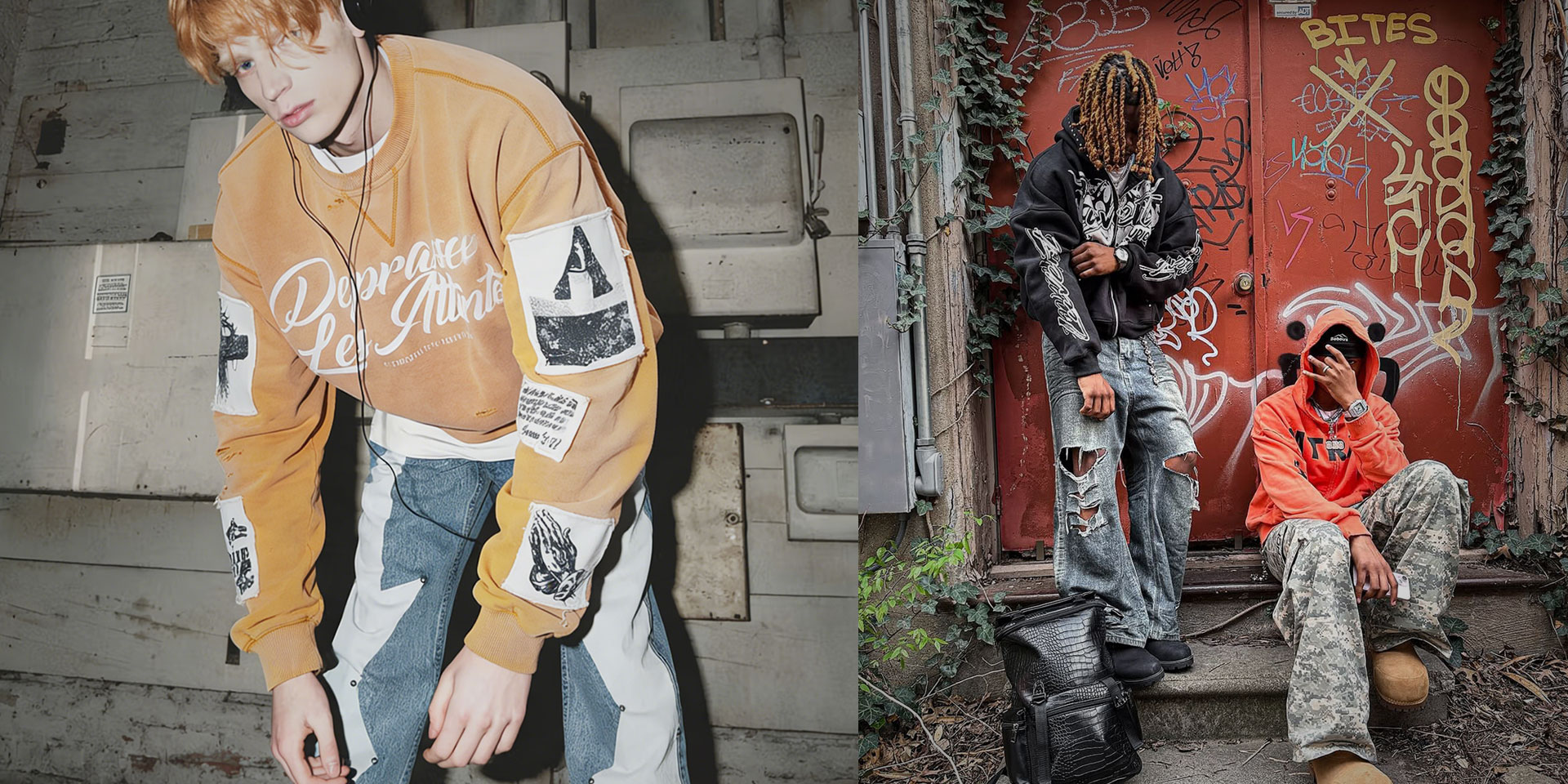 streetwear manufacturers in China permium streetwear manufacturers Groovecolor Chinese streetwear factories custom streetwear development teams working in heavyweight jerseys, washed finishes, and fit-led categories streetwear manufacturer