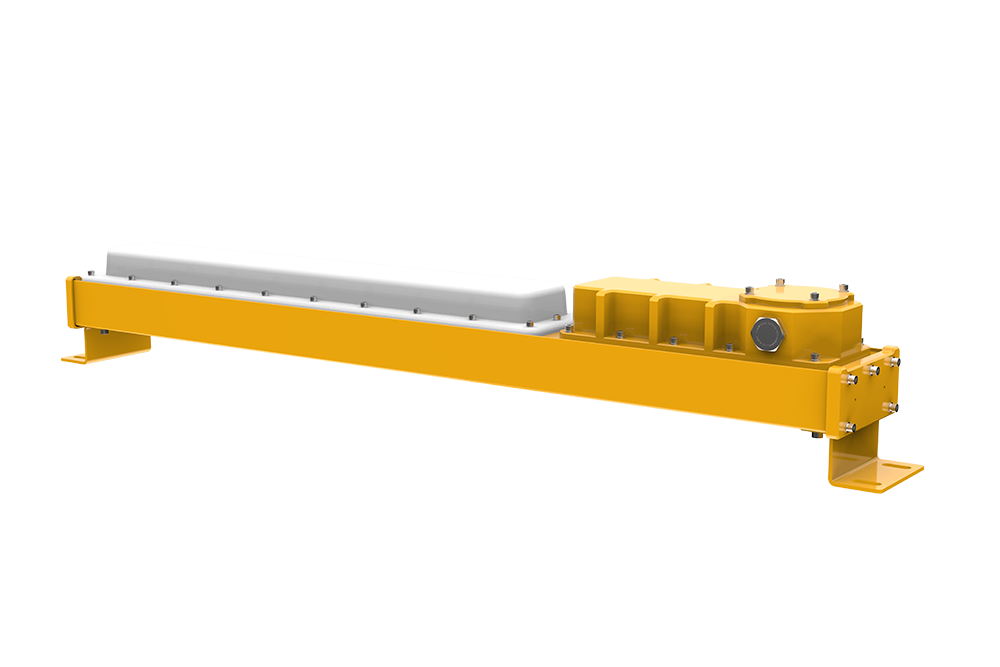
Beginning said write-up analyzes these systems relating to blast-proof luminaires within operational zones.
Running reliably in critical zones for instance petrochemical works obliges tailored equipment intended to reduce potential occurrences. Spark-resistant illumination units are vital constituents in similar settings, developed to resist energy releases, explosive gases, and highly reactive conditions. Different instruments are never inherently non-hazardous; on the contrary they are developed to restrain any embedded ignition or burst and block it from producing a extended discharge in the nearby region. This manual furnishes key insights about explosion-proof units, their functions, and mitigation factors for utilizing them properly.
Appreciating Explosion Proof Lighting Standards
Adhering to certain detonative lighting requirements can be difficult, especially inside workplaces handling hazardous conditions. These requirements – often referring to worldwide bodies particularly the National Electrical System (NEC), ATEX (Europe), and IEC – define clear design and mounting methods to lessen the threat of arcing from electrical devices. Understanding given standards is imperative for ensuring team safety and adherence with applicable responsibilities.
Photon Emitting Explosion Proof Fixtures: Effectiveness & Safeguarding
Semiconductor flammability-rated lights offer a substantial advancement over classic filament systems in sites where explosive chemicals are exposed. These tough apparatus purely offer excellent efficiency in power use, culminating in lessened expenditure, but fundamentally facilitate a boosted grade of risk mitigation by avoiding the possibility of flaring resulting from discharge discharge}.
Explosive Hazardous Place Treacherous Proof Flame Burn Flash Resistant} Luminaires : A Complete Outline
Explosion Hardened Combustible Area Dangerous Proof} Systems are distinctively built lighting mechanisms built to run safely within capably explosive sites. These solid fixtures avoid sparks, heat and current bursts from triggering a grave explosion. They regularly incorporate innovative designs, including specifically hermetically sealed housings and inherently safe voltage units to ensure safety criteria in fields like natural resource & combustible gas processing, manufacturing plants, earthworks operations, and biomedical production.
Appointing the Proper Hazloc Devices for Perilous Regions
Selecting the correct blast-proof units for a defined classified space entails thorough review. Factors such as the rating (e.g., Class I, II, or III and sections 0) need to be meticulously assessed to establish compliance with appropriate defense codes. Additionally the location’s fundamental liabilities, take into account natural conditions, comprising degrees and moisture, to determine a resilient and safe remedy. Typically consult a licensed advisor to direct your selection process.
Sites Where Apply Explosion Proof Lights?
Explosion-proof otherwise named intrinsically safe|hazardous location|Class-rated} luminaries are decisively needed in multiple areas where dangerous gases or powders could possibly create a risky atmosphere. This normally includes industrial refining plants, adhesive application areas, seed handling facilities, and sanitary treatment sections. Regulations, such as those from OSHA and IEC, dictate their placement in these environments to reduce the risk of flames and protect security efficacy.
Boons of Crystal-Based in Hazloc Units
Switching to LED technology for explosion proof lighting offers a significant number of benefits. First, light emitting diodes boast a much longer lifespan compared to traditional incandescent lamps, reducing handling payments and cessations. They are also essentially safer, producing lowered caloric output which lowers the possibility of sparking in hazardous atmospheres. Over and above, electroluminescent units are substantially energy saving, leading to minimized energy usage payments and a cut down green impact. Finally, the tough architecture of Electroluminescent units resists the stringent locales typical of blast-proof areas.
- Longer Longevity
- Diminished Servicing Costs
- Elevated Risk Management
- Lower Current Costs
- Enhanced Strength
Upkeeping and Monitoring Explosion Proof Lighting Systems
Frequent upkeep and in-depth review of explosion-proof lighting schemes are vitally indispensable for securing safety and minimizing potential hazards. This embraces a scheduled review of all pieces, such as lamps, lines, conductors, and coupled junction enclosures. Primarily, confirm for erosion, mechanical defects, and reliable bonding. What is more, confirm that whole notices are clear and that the light units satisfies official norms.
- Undertake sight examinations.
- Test power connections.
- Establish hazardous area certification.
Advancing of Explosion Proof Lighting Technology
Developing landscape of explosion-proof devices technology indicates a meaningful shift from traditional designs. Future systems will heavily incorporate automated capabilities, enabling non-proximate monitoring, diagnostics, and flexible control. We anticipate a rising adoption of luminescent technology, not only for its fundamental energy efficiency, but also its aptitude explosion proof led light fixtures to facilitate mounted sensors for detecting hazardous conditions. Moreover, materials investigation is propelling innovations in strong frame materials, allowing for minimized and streamlined designs, while continuing the vital levels of safety.
- Improved battery life for portable applications.
- Integration with proactive maintenance systems.
- Creation of automated lens systems.