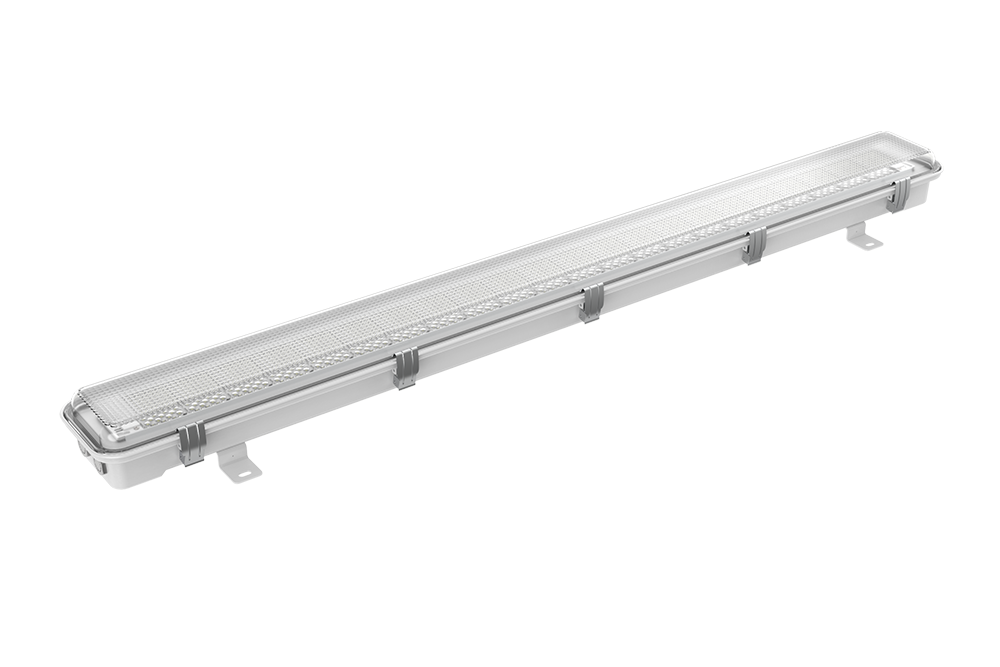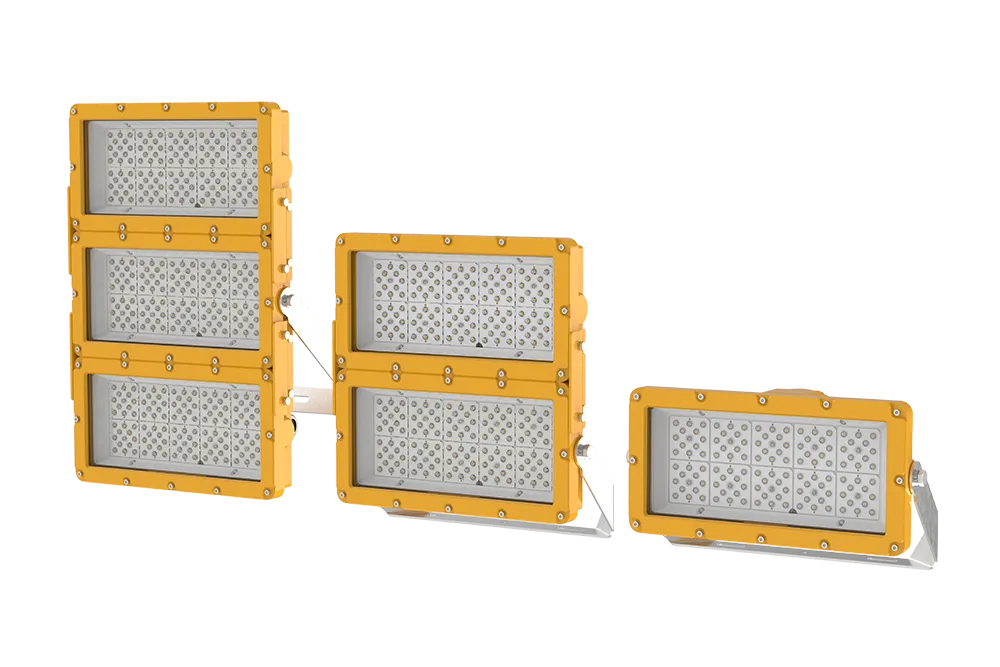
Beginning such piece studies various approaches regarding blast-proof lighting through production environments.
Executing securely alongside perilous spots including processing sites requires engineered equipment so as to prevent foreseeable accidents. Spark-resistant fixtures are necessary parts in corresponding locations, developed to tolerate embers, flammable aerosols, and dangerous airspaces. Various devices are never naturally reliable; conversely they are produced to enclose any inner electrical fault or ignition and block it from generating a greater combustion in the vicinal environment. This overview furnishes fundamental details about explosion-proof fixtures, their utilizations, and safety factors for adopting them effectively.
Learning Explosion Proof Lighting Standards
Handling specific flammability-rated lighting guidelines can be challenging, especially in domains involving hazardous spaces. These requirements – often stemming from international bodies among the National Electrical Commission (NEC), ATEX (Europe), and IEC – set explicit design and mounting guidelines to minimize the danger of sparks from power devices. Understanding aforementioned standards is paramount for ensuring laborer safety and fulfillment with binding orders.
Electroluminescent Fire Safe Lighting Devices: Quality & Guarding
LED explosion proof lights represent a meaningful development over previous neon devices in sites where inflammable fumes are exposed. These long-lasting apparatus just yield excellent energy management, producing diminished maintenance charges, but significantly promote a greater scale of preservation by avoiding the potential of sparks stemming from current breakdowns}.
Explosion Certified Hazardous Region Hazardous Proof Detonation Blaze Burst Resistant} Illumination : A Complete Outline
Explosion Safe Dangerous Region Unsafe Proof} Lights are customarily built lighting solutions built to execute safely within capably reactive zones. These durable fixtures block sparks, thermal energy and voltage flows from igniting a significant explosion. They commonly incorporate novel designs, utilizing including enclosed housings and basically safe electronic devices to maintain safety codes in markets like natural resource & fuel gas processing, compound plants, quarrying operations, and medicinal production.
Choosing the Optimal Hazardous Area Devices for Hazardous Environments
Determining the optimal detonation-safe fixtures for a designated classified space needs exacting evaluation. Components such as the label (e.g., Group I, II, or III and sectors 0) should be carefully analyzed to ensure observance with related safety codes. In addition to the precinct's intrinsic threats, factor in ecological conditions, like warmth and water content, to discover a durable and protected remedy. Typically coordinate with a authorized expert to assist your choice.
Zones Where Apply Explosion Proof Lights?
Explosion-proof commonly known as intrinsically safe|hazardous location|Class-rated} lights are strictly needed in specific areas where volatile fumes or particles could probably create a explosive atmosphere. This commonly includes processing treatment plants, lacquer application areas, crop handling facilities, and sanitary treatment plants. Regulations, such as those from ATEX and ANSI, command their setup in these regions to lessen the risk of combustion and secure safety performance.
Advantages of Light Emitting Diode in Intrinsically Safe Lighting
Switching to Semiconductor technology for hazloc systems offers a important variety of gains. First, luminescent sources boast a significantly longer lifespan compared to traditional arc units, reducing support fees and outages. They are also inherently safer, producing mitigated thermal flux which lowers the possibility of flare-ups in flammable atmospheres. Besides, solid-state lights are more cost-effective, leading to lessened electrical power expenses and a lowered ecologic impact. Finally, the tough fabrication of Solid-State Lighting fixtures sustains the demanding conditions typical of ignition-resistant areas.
- Increased Longevity
- Lessened Upkeep Payments
- Augmented Safety
- Lesser Power Draw
- Improved Stability
Upkeeping and Monitoring Explosion Proof Lighting Systems
Scheduled adjustment and complete inspection of blast-proof lighting systems are required essential for upholding safety and reducing potential liabilities. This necessitates a recurrent review of all elements, such as light fittings, piping, wiring systems, and associated junction enclosures. Chiefly, confirm for erosion, structural compromise, and appropriate bond connection. Additionally, validate that total tags are decipherable and that the illumination devices complies with official norms.
- Conduct observable reviews.
- Review electrical connections.
- Authenticate fire-proof compliance.
Next Generation of Explosion Proof Lighting Technology
Maturing landscape of explosion-proof lighting technology offers a major shift from traditional designs. Future methods will more and more incorporate remote capabilities, enabling wide-area monitoring, diagnostics, and dynamic control. We expect a rising adoption of luminescent technology, not only for its built-in energy efficiency, but also its power to facilitate included sensors for tracking treacherous conditions. In addition, materials inspection is encouraging led explosion proof flood lights innovations in long-lasting housing units materials, allowing for lighter and more efficient designs, while maintaining the required levels of safety.
- Elevated battery life for conveyable applications.
- Assimilation with precautionary maintenance schemes.
- Implementation of auto-purging lens mechanisms.